The goal
Pot the 9 on a legal shot. It does not have to be the last ball: a combination or a carom off the lowest ball that sends the 9 in wins at once, on the break too.
The rack and the break
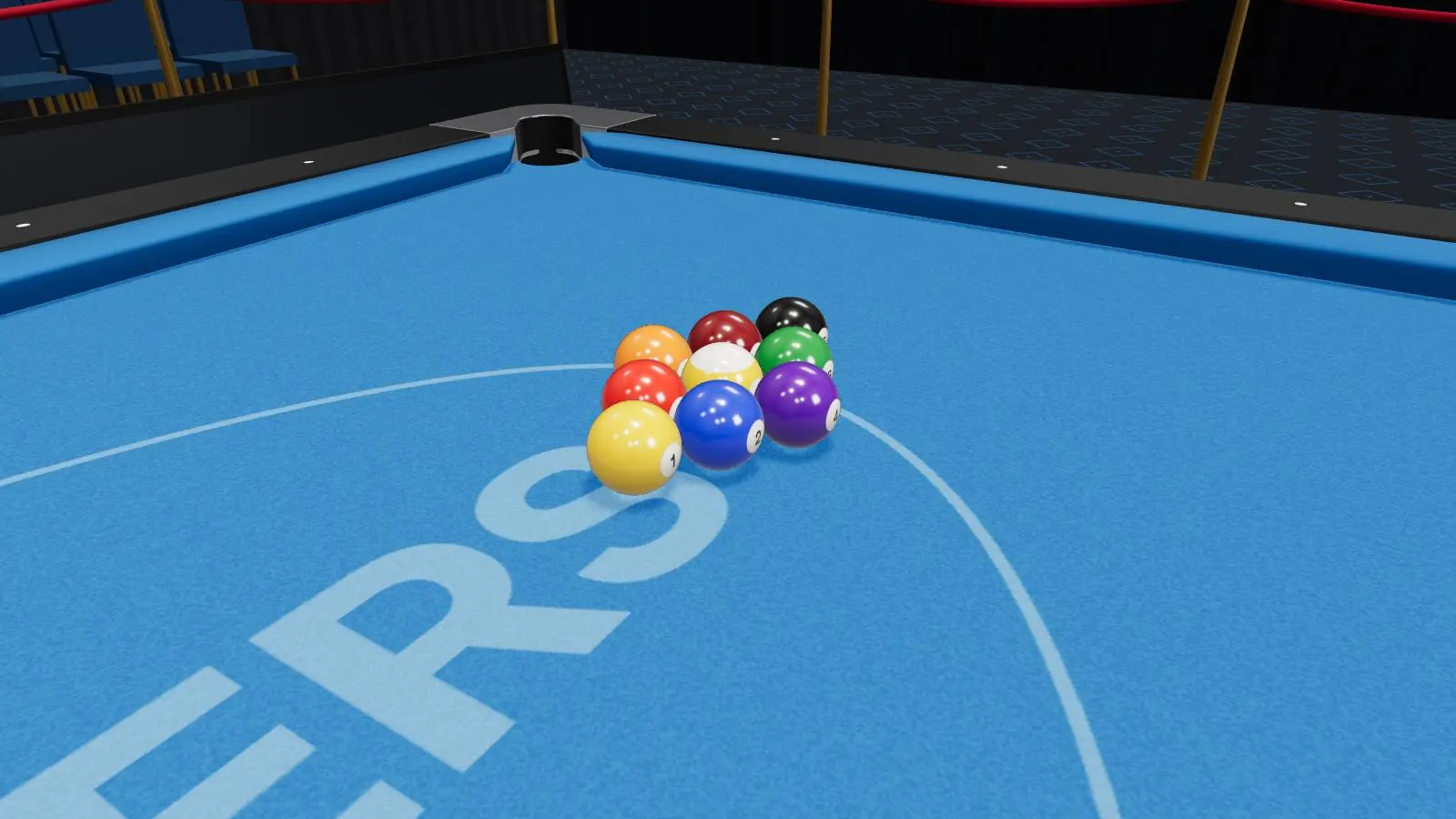
The balls are racked in a diamond with the 1 at the front on the foot spot and the 9 in the middle. The break is played from behind the head string and must hit the 1 first. It is legal when a ball drops or at least four object balls reach a cushion; a foul on the break lets your opponent place the cue ball anywhere.
Lowest ball first
Every shot must hit the lowest-numbered ball first. After that, any ball you pot keeps you at the table, and balls potted out of order stay down. If nothing drops, some ball has to reach a cushion after the contact.
The 9
Potting the 9 on a legal shot wins the rack. A 9 potted on a foul goes back to the foot spot, while the other balls potted on that shot stay down. A ball knocked off the table is not put back, except the 9.
The push-out
Right after a legal break, the player to shoot may play a push-out (U). The cue ball may then go anywhere without hitting a ball or a cushion, although a cue ball that drops is still a foul and balls potted do not count. The opponent then plays from there or passes the shot back (K).
Fouls
The cue ball dropping into a pocket, a ball leaving the table, missing every ball, hitting the wrong ball first, no cushion after the contact and the shot clock running out are fouls. After a foul your opponent places the cue ball anywhere on the table.
Three fouls in a row lose the rack. The game warns you after the second.
9-ball at CueMasters tables
A table plays one rack or a race to 3, 5 or 7, the break alternating, one against one or two against two, with a shot clock of 15, 30, 60 or 120 seconds or none. With a clock, ball in hand gives you 20 seconds to place the cue ball.